This project explores barriers faced by older adults living in food deserts and examines food access through a service and systems design lens. Using mixed methods research, the work translates qualitative and quantitative insights into a service oriented solution that supports equitable access to fresh and nutritious food.
01
Project Process
1. Problem Context
Older adults in food deserts face systemic challenges such as limited mobility, lack of nearby grocery options, and fragmented access to food services, making it difficult to maintain healthy eating habits.
2. Research & Discovery
Conducted exploratory market and domain research alongside semi structured interviews and surveys with older adults and food access services to understand behaviors, needs, and service gaps.
3. Synthesis & Insights
Integrated qualitative and quantitative findings through affinity mapping and survey analysis to identify key barriers, user needs, and opportunities across the food access journey.
4. Design Exploration
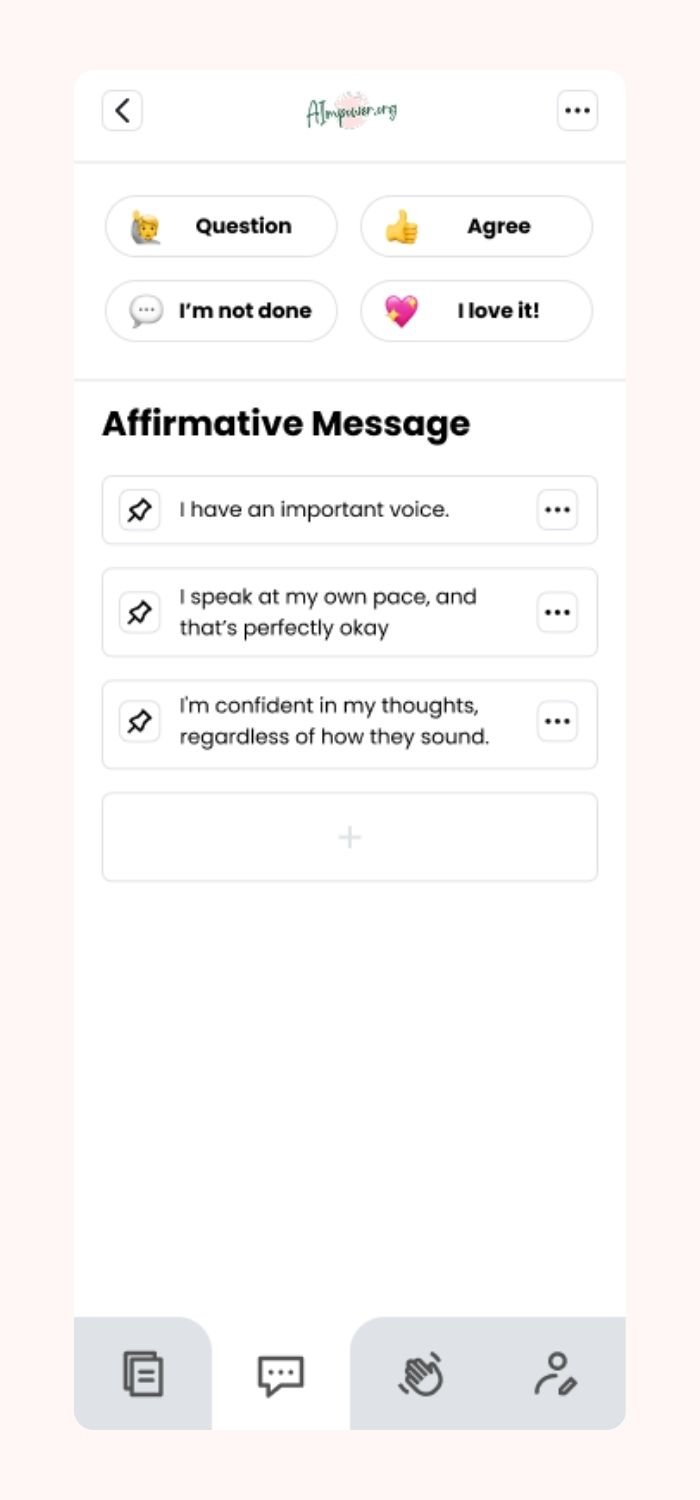
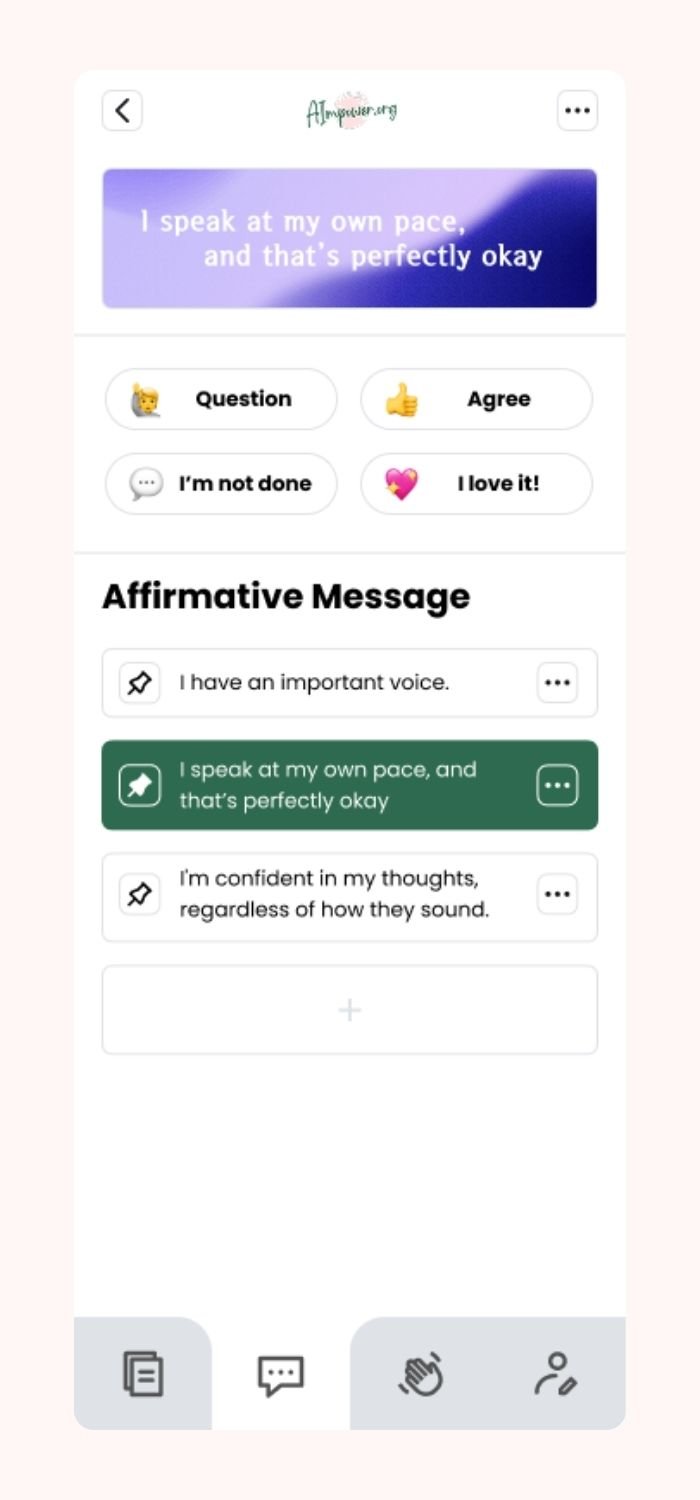
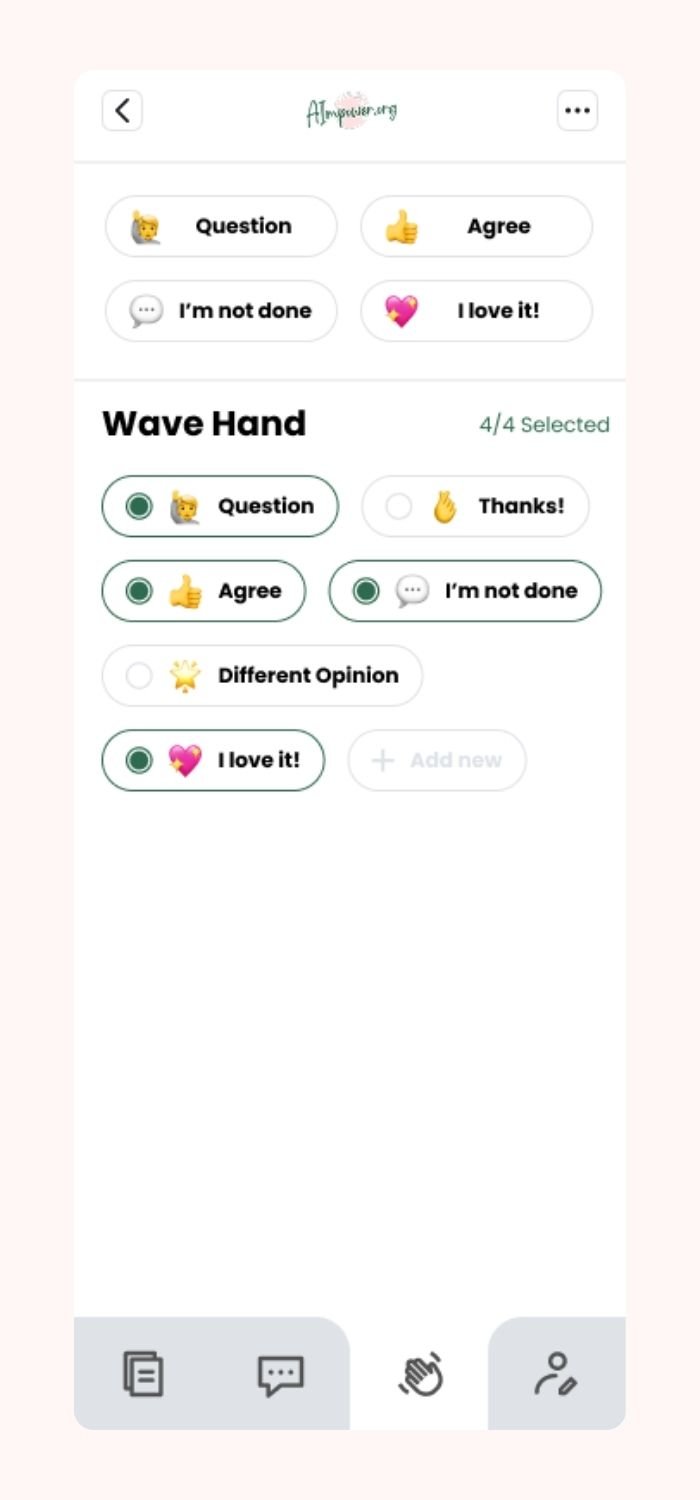
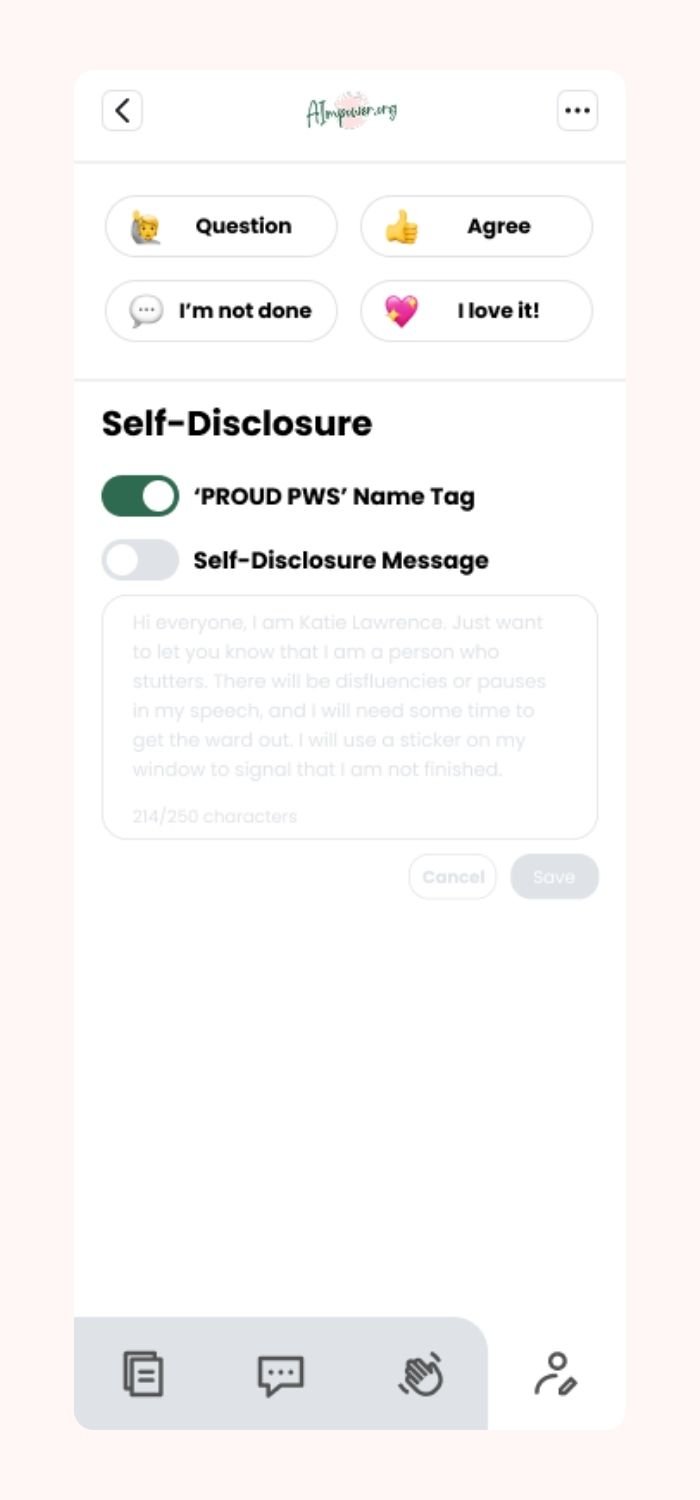
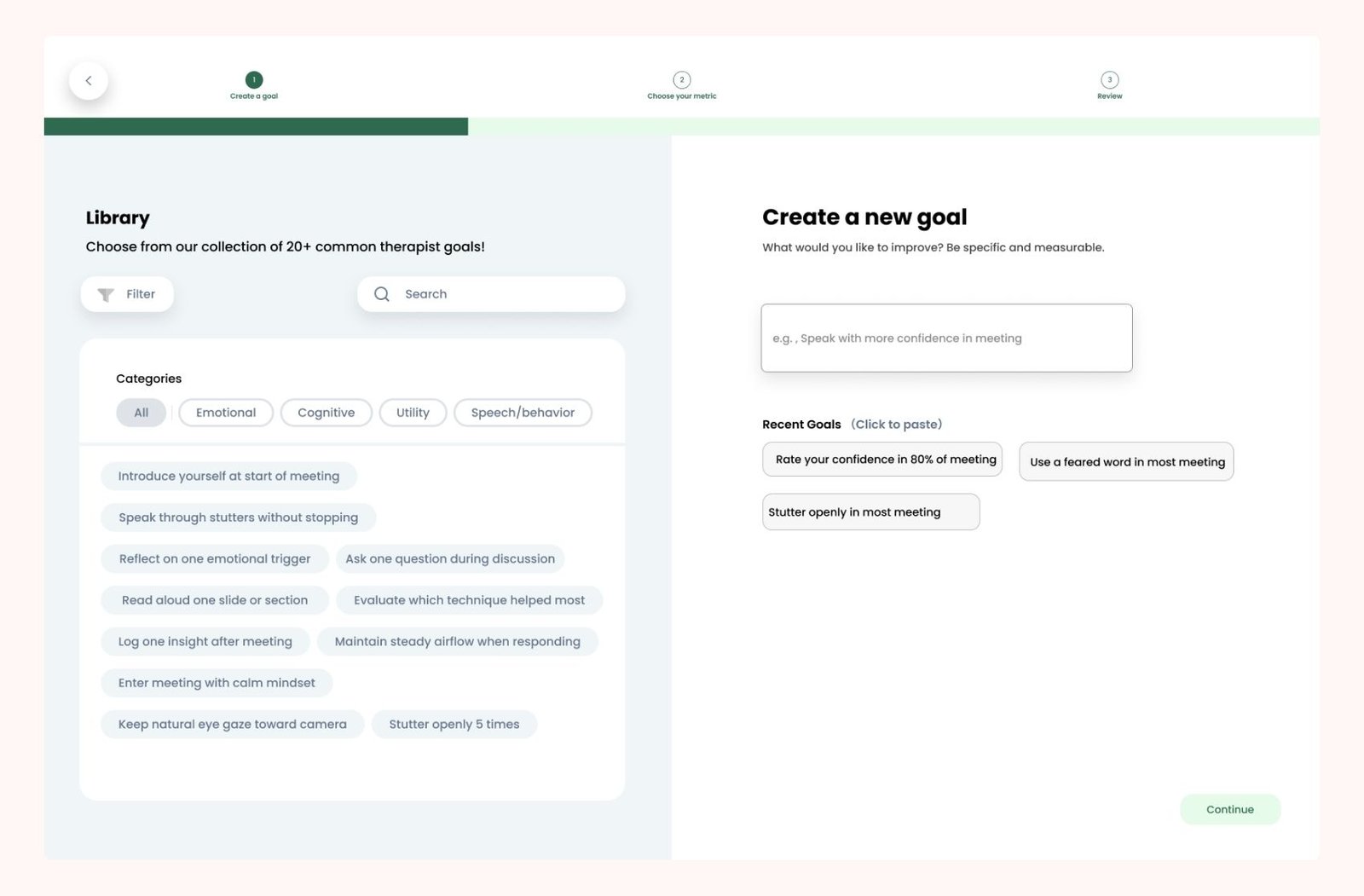
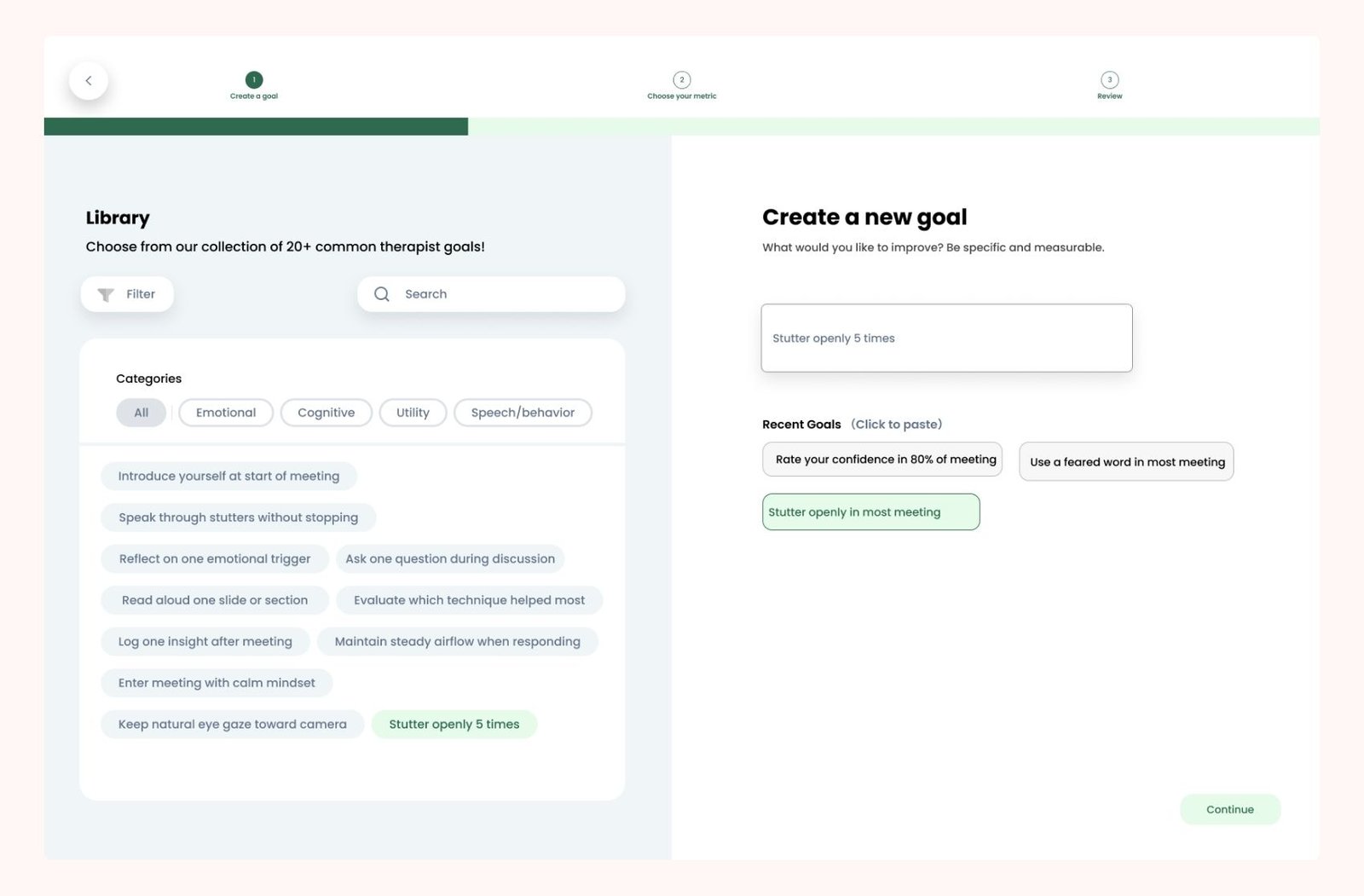
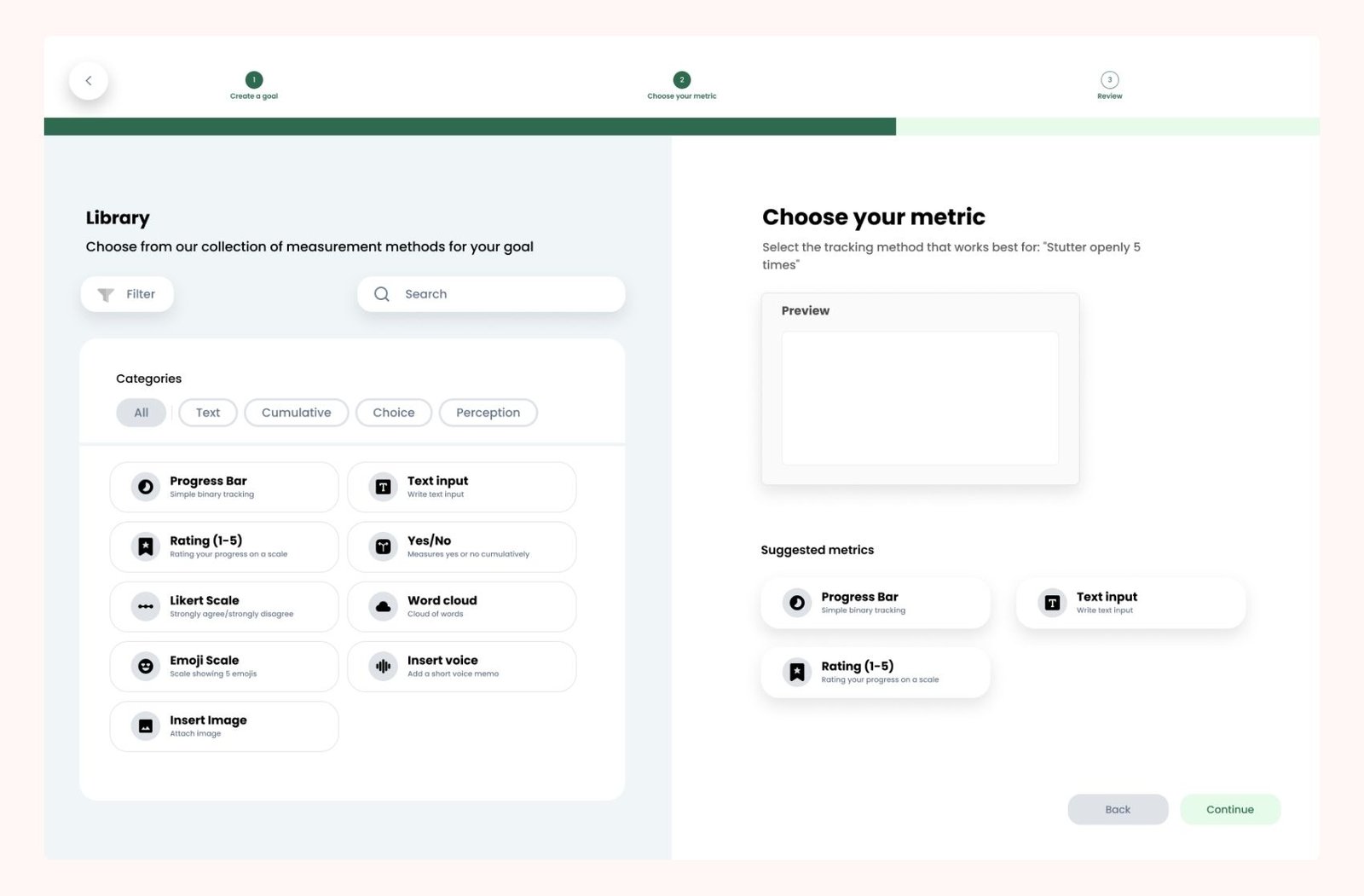
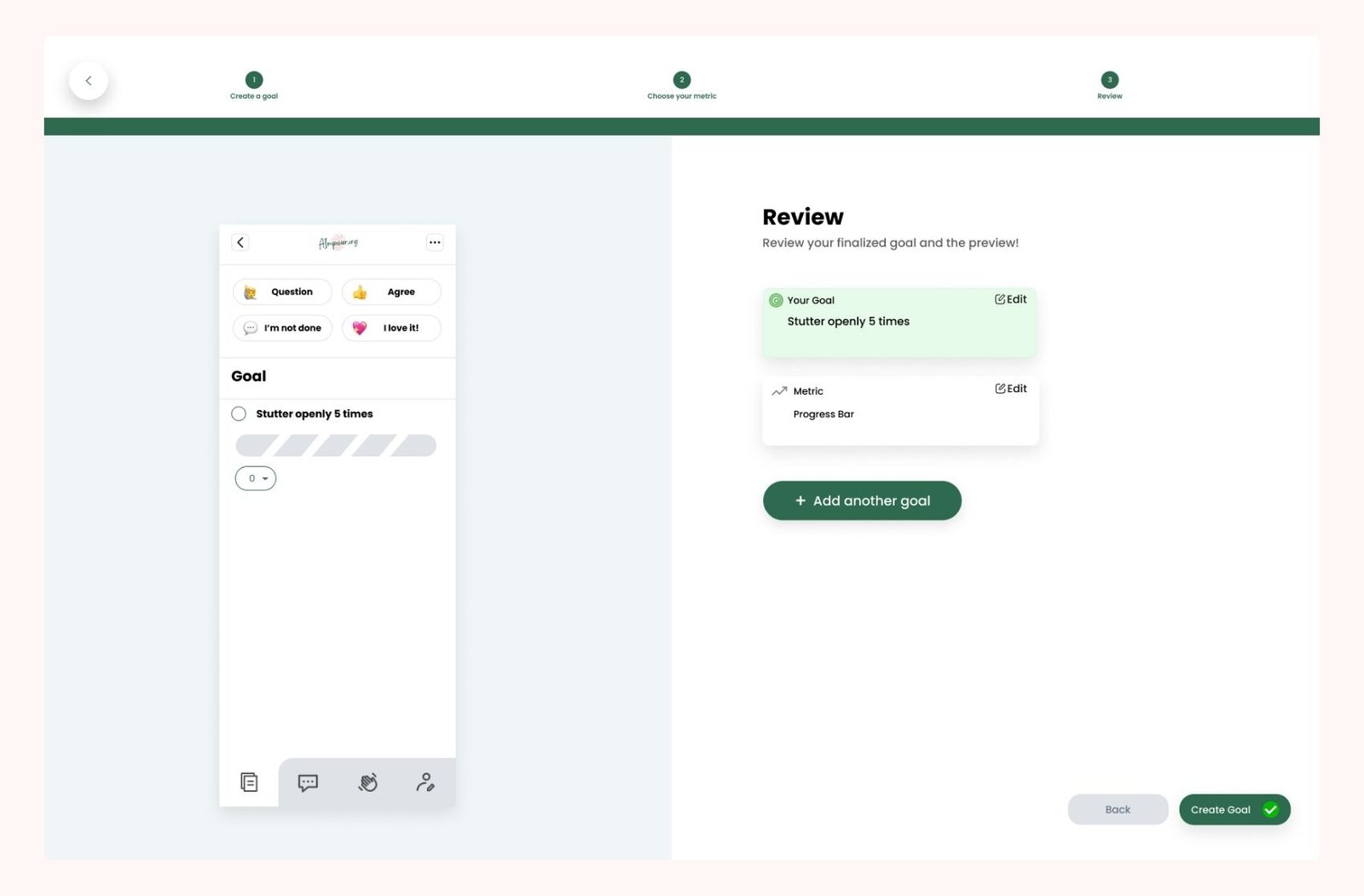
Insights informed iterative product, interface, and service concepts focused on improving accessibility, coordination, and user experience across digital and physical touchpoints.
02
What I Did
As a UX Researcher and Designer on this project, I contributed to end to end research, synthesis, and service design.
Conducted exploratory market and domain research
Led semi structured interviews and survey design with older adults
Collected and analyzed qualitative and quantitative data
Synthesized findings using affinity mapping and survey analysis
Designed product, interface, and service concepts
Ran 3 to 4 usability evaluation cycles using surveys and Wizard of Oz methods
Iterated solutions based on user feedback and validation
03
Design Outcome
The project proposed a service oriented digital and physical solution grounded in systems thinking and iterative validation.
Integrated service flow addressing food discovery, access, and delivery
Digital touchpoints to support coordination and usability
Physical service elements designed for accessibility
Research validated design decisions informed by older adult needs
04
Achievements
3 to 4
usability evaluation cycles
Multiple
service touchpoints designed
Mixed
qualitative and quantitative research
1
integrated service concept
05
Methods & Tools Used
Semi Structured Interviews
Survey Design
Mixed Methods Research
Affinity Mapping
Service Design
Usability Evaluation
Systems Thinking
06
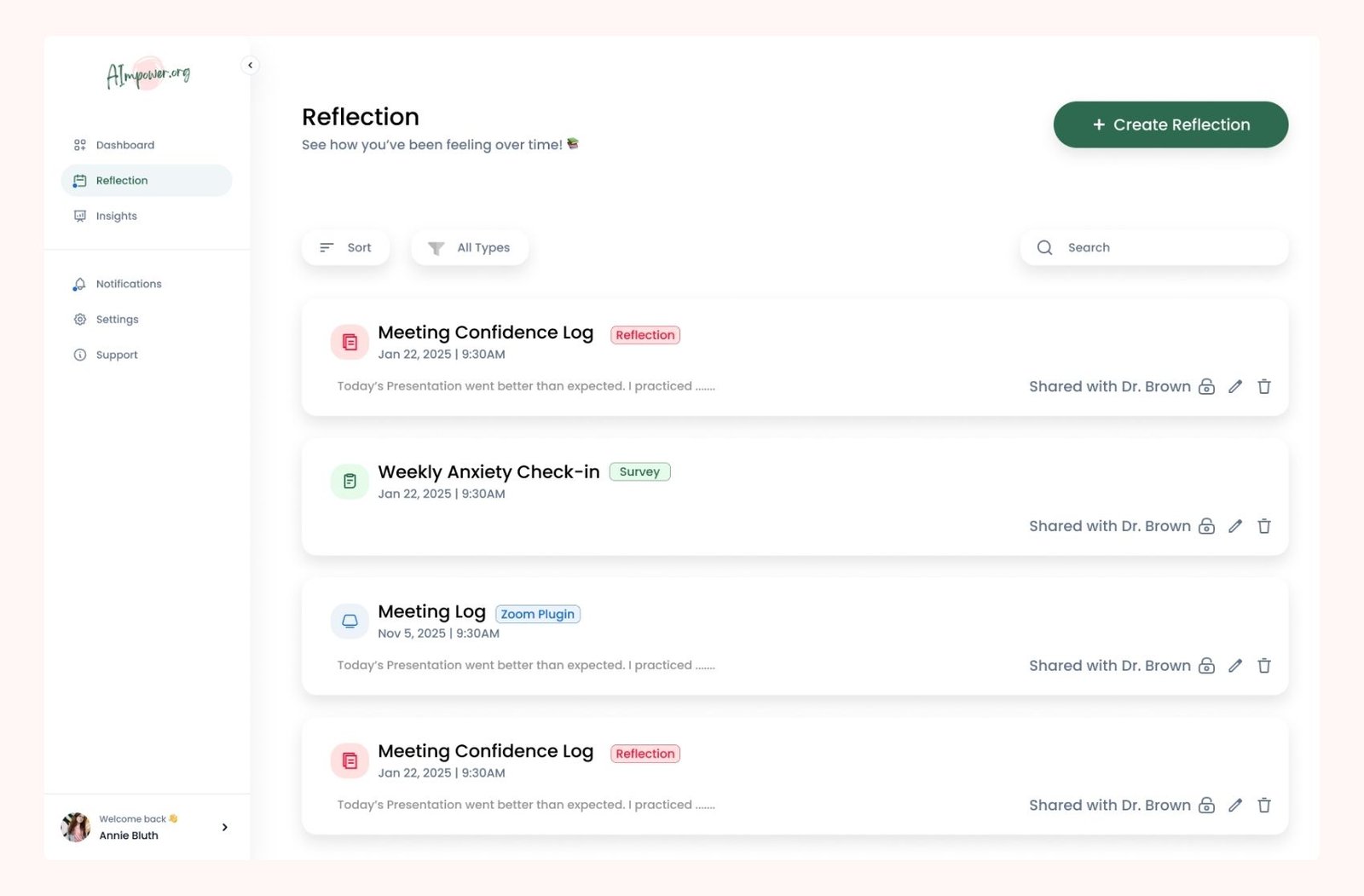
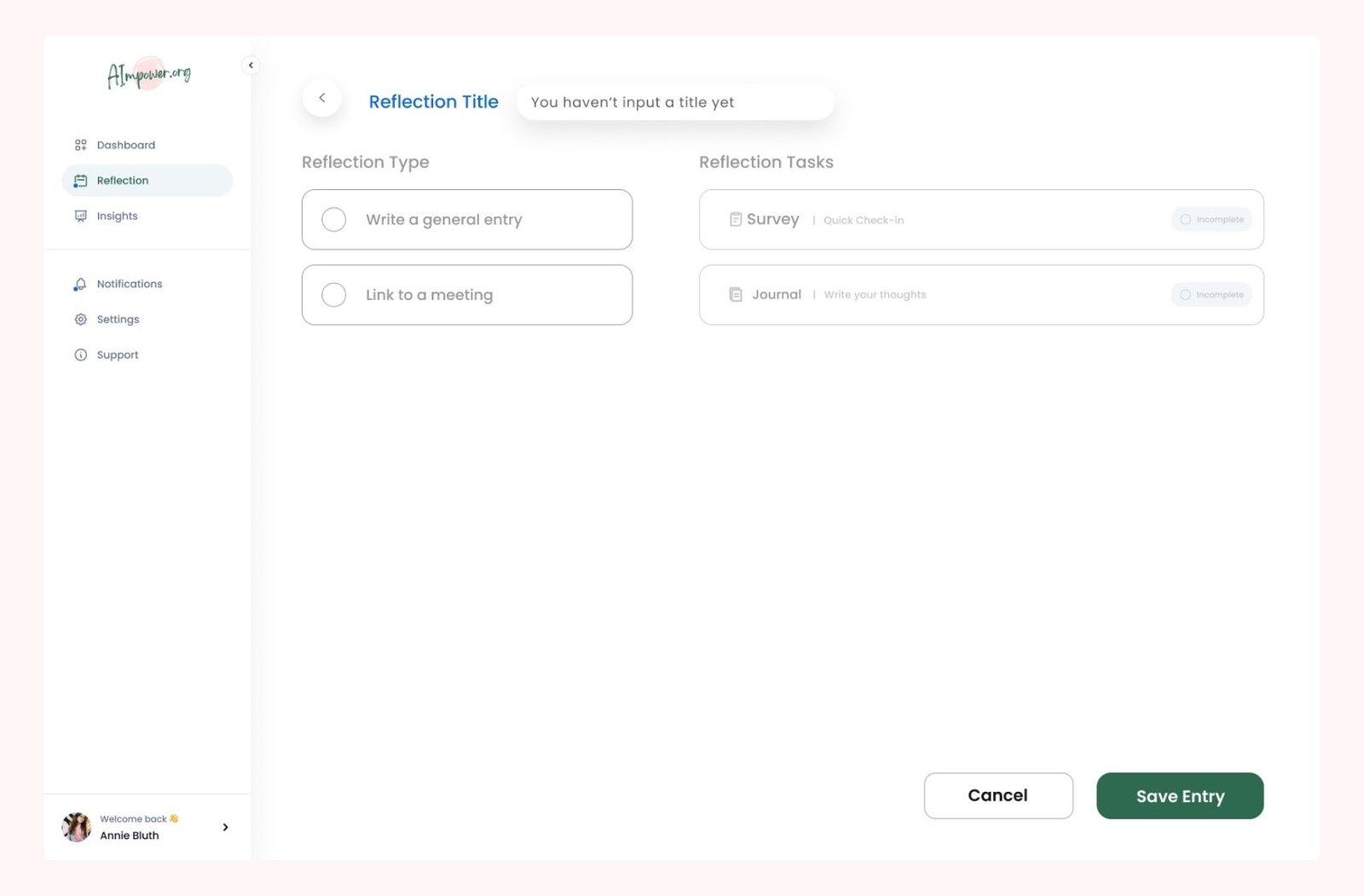
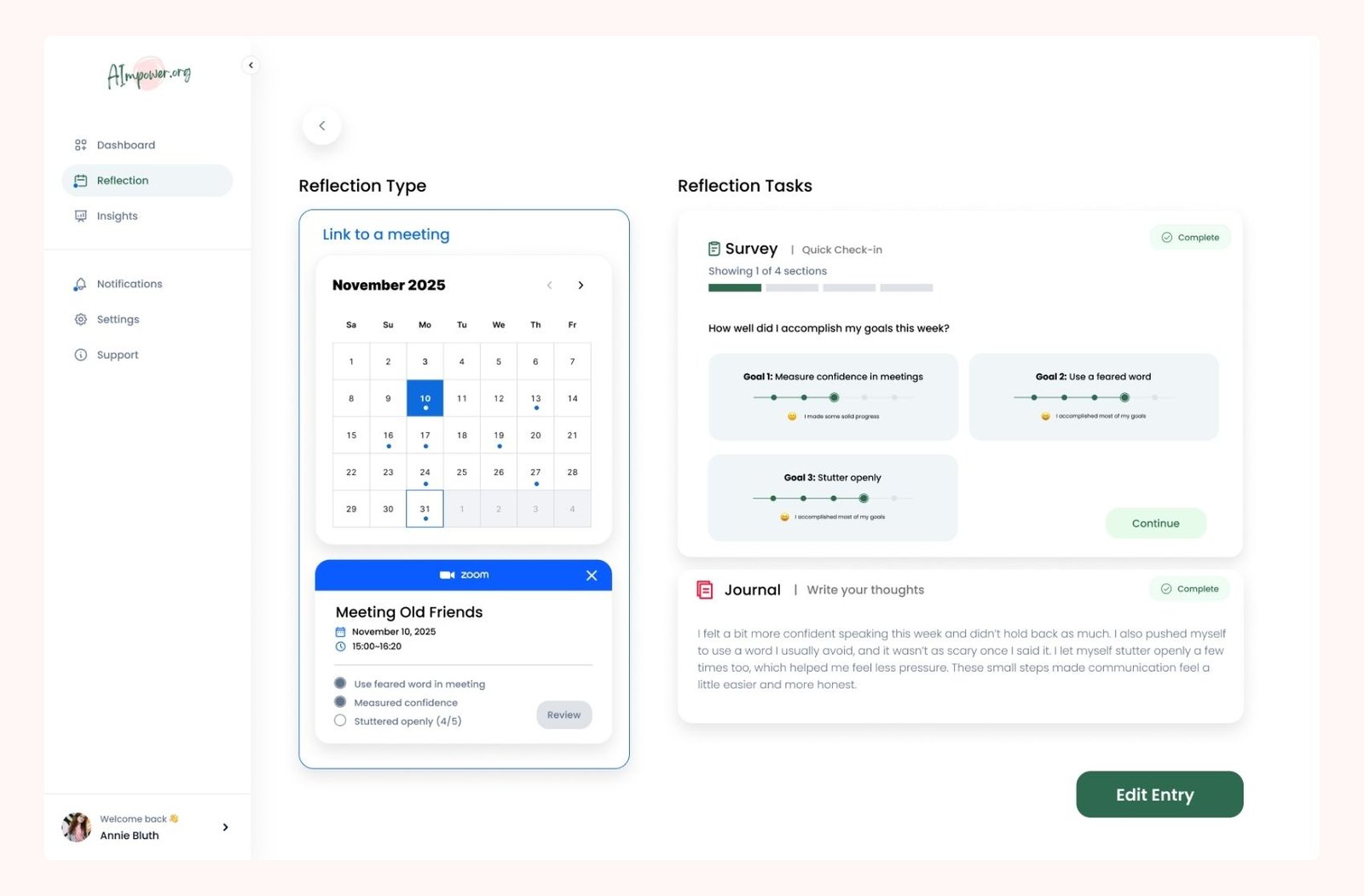
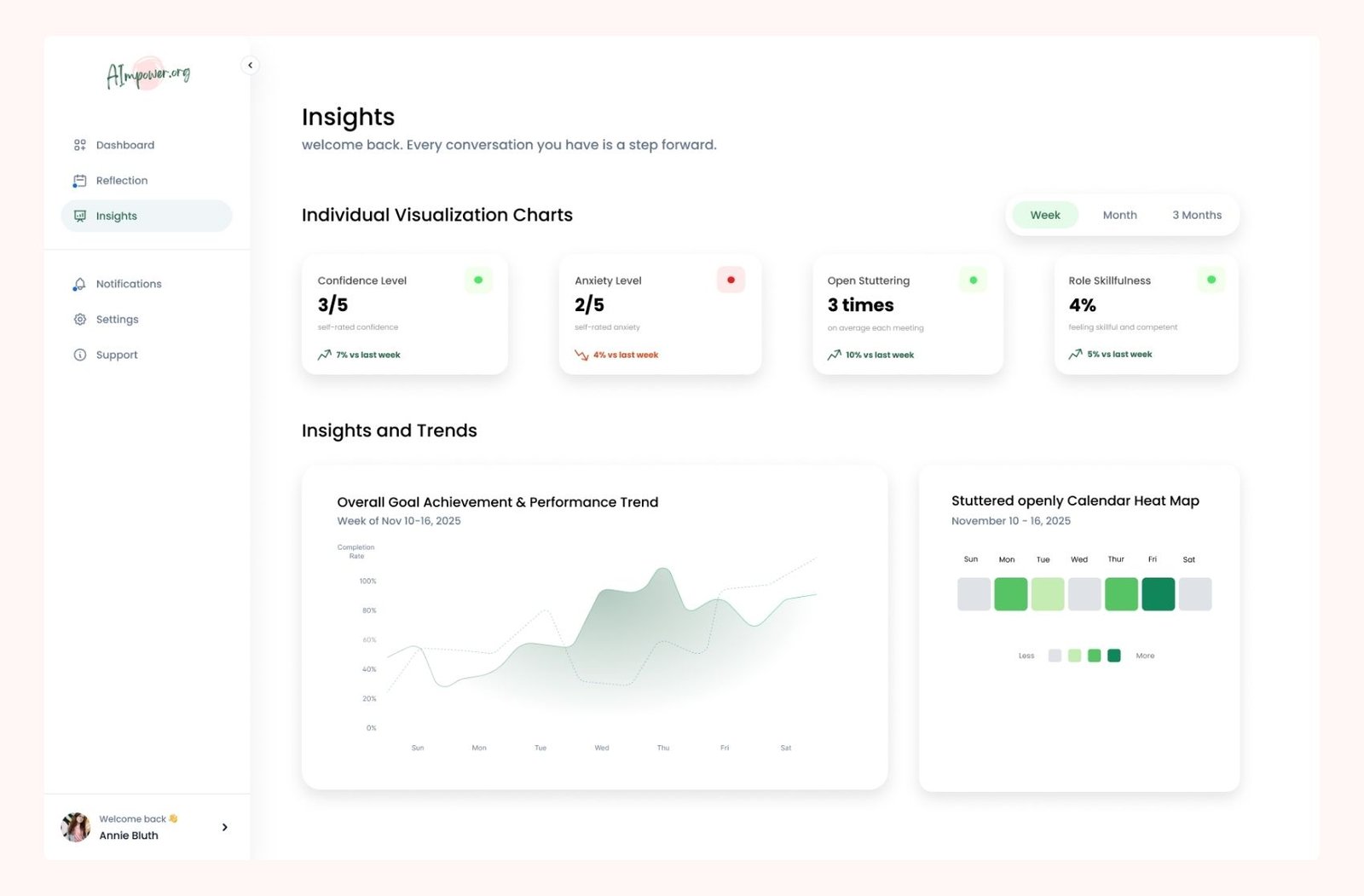
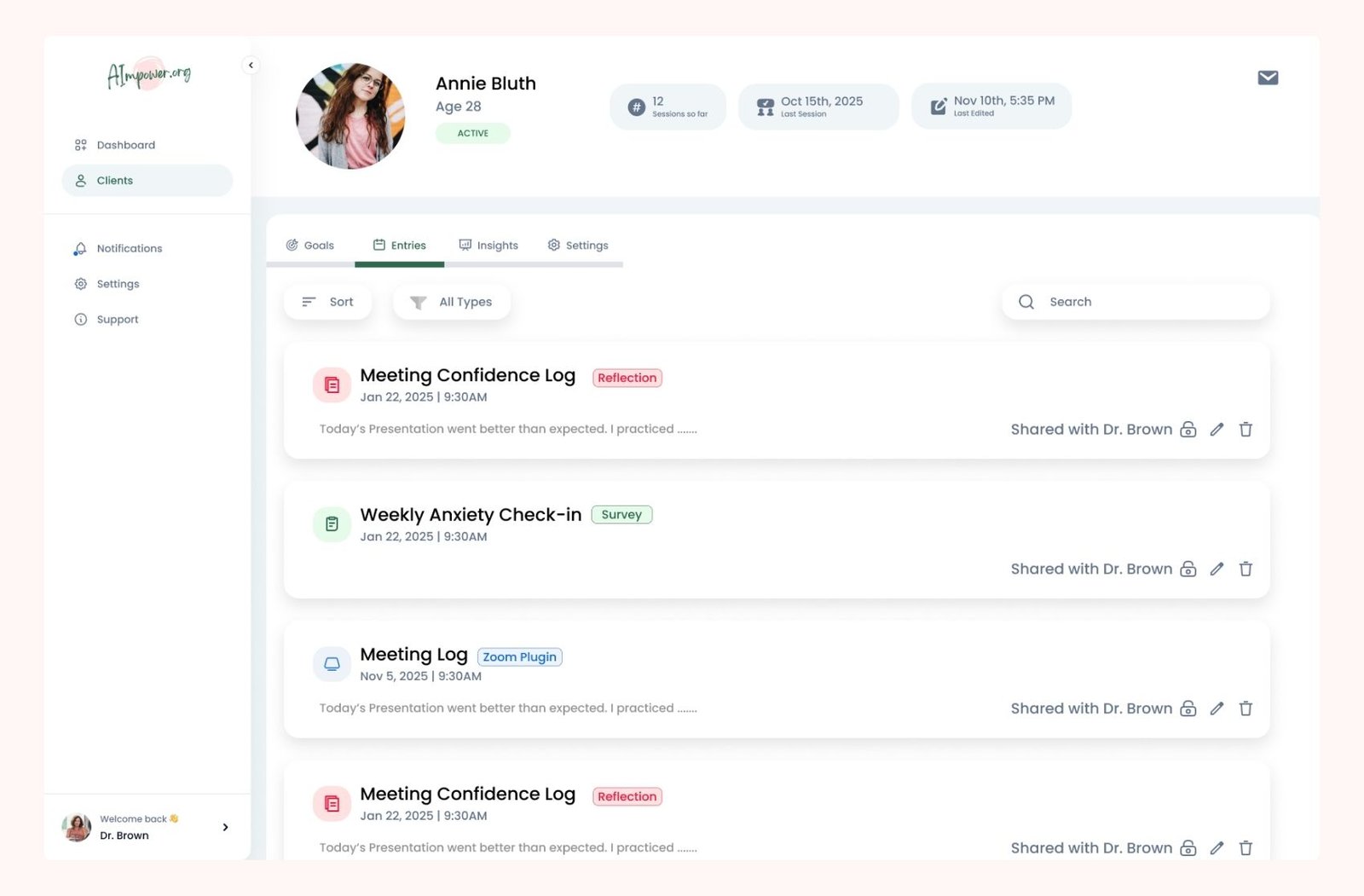
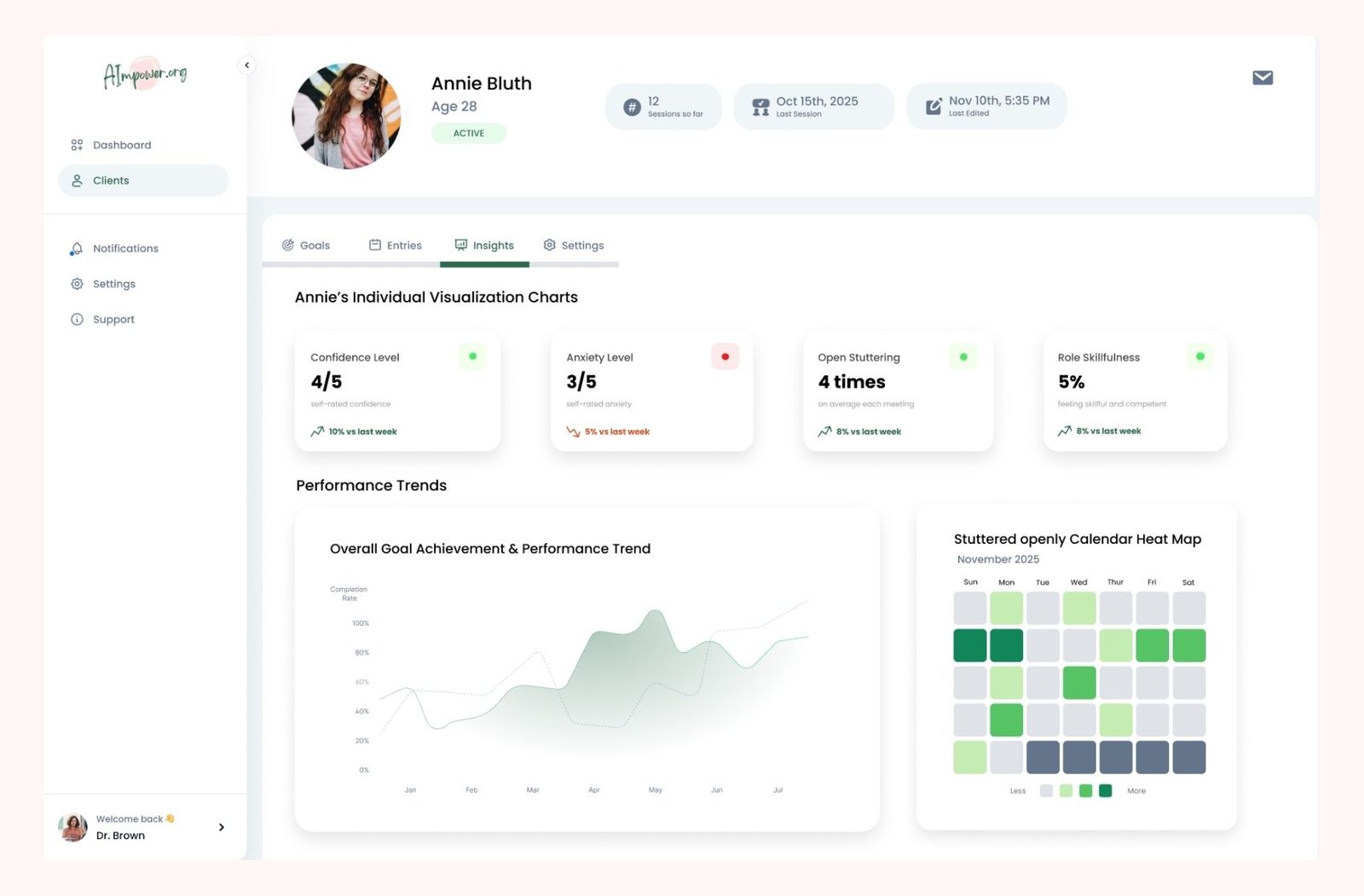
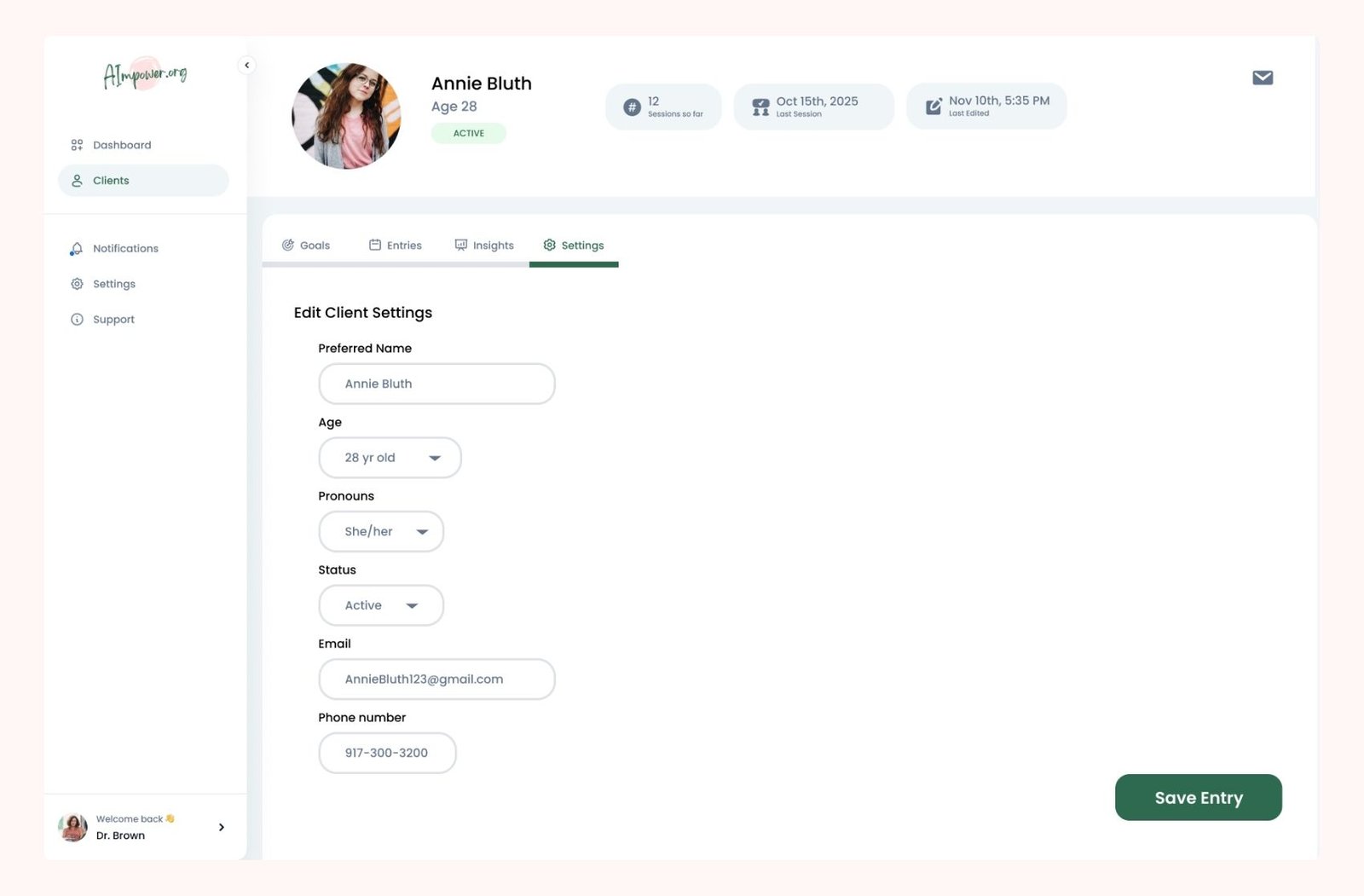
Closer Look at the Final Concepts
ZOOM VIEW
PWS VIEW
SLP VIEW
Let’s work together
Have a project in mind? I’d love to hear your ideas and create something meaningful together. Let’s bring your vision to life.