This project explores barriers faced by older adults living in food deserts and examines food access through a service and systems design lens. Using mixed methods research, the work translates qualitative and quantitative insights into a service oriented solution that supports equitable access to fresh and nutritious food.
01 Project Process
Methodological Approach
Problem Context
Defining the intersections of urban food deserts, age-related mobility decline, and the digital divide affecting older populations.
Research & Discovery
Employing a human-centered lens to observe grocery shopping behaviors and identify pain points in current delivery models.
Synthesis & Insights
Mapping participant journeys and identifying core themes of trust, security, and cognitive load in technology use.
Design Exploration
Iteratively prototyping multi-modal interfaces and service flow models that leverage community social capital.
02 What I Did
Core Contributions
UX Research & Ethnographic Field Studies
Led semi structured interviews and survey design with older adults
Collected and analyzed qualitative and quantitative data
Synthesized findings using affinity mapping and survey analysis
Designed product, interface, and service concepts
03 Design Outcome
Key Deliverables
Integrated Service Flow
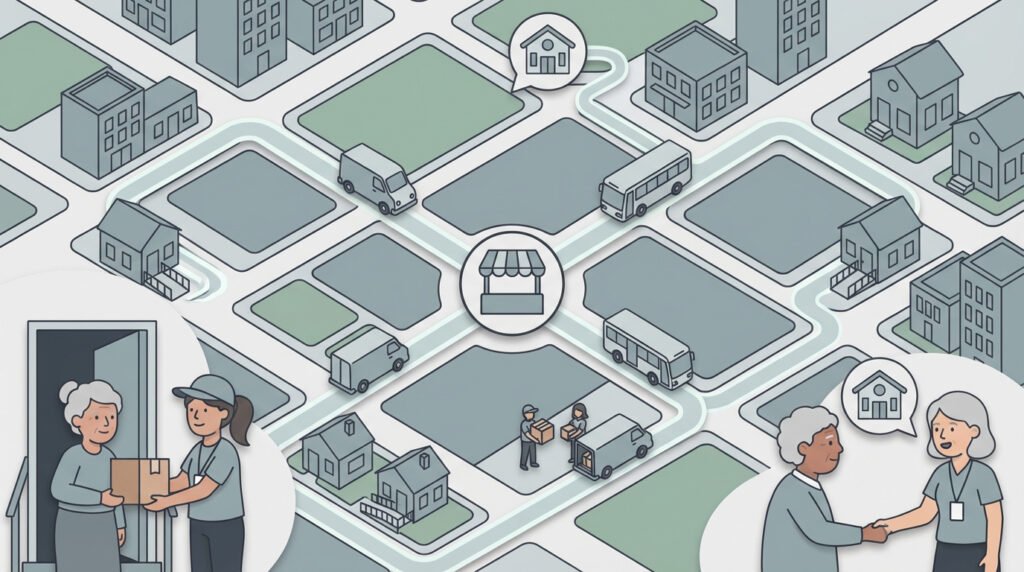
A seamless end-to-end journey connecting older adults with neighborhood volunteers through a trust-centered verification system.
Research-Validated Decisions
Every design choice—from font size to the removal of complex logins—was rooted in feedback from 15 core participants.
Multi-Modal Order Entry
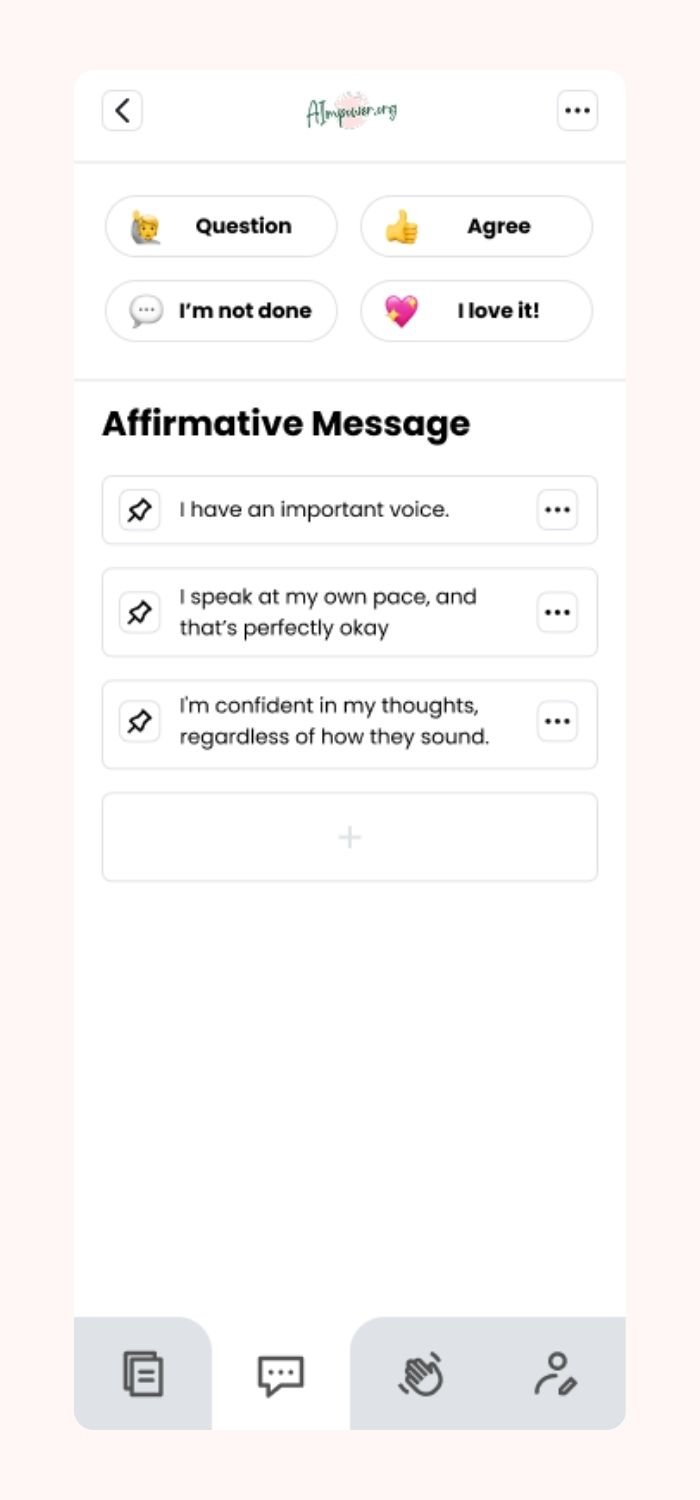
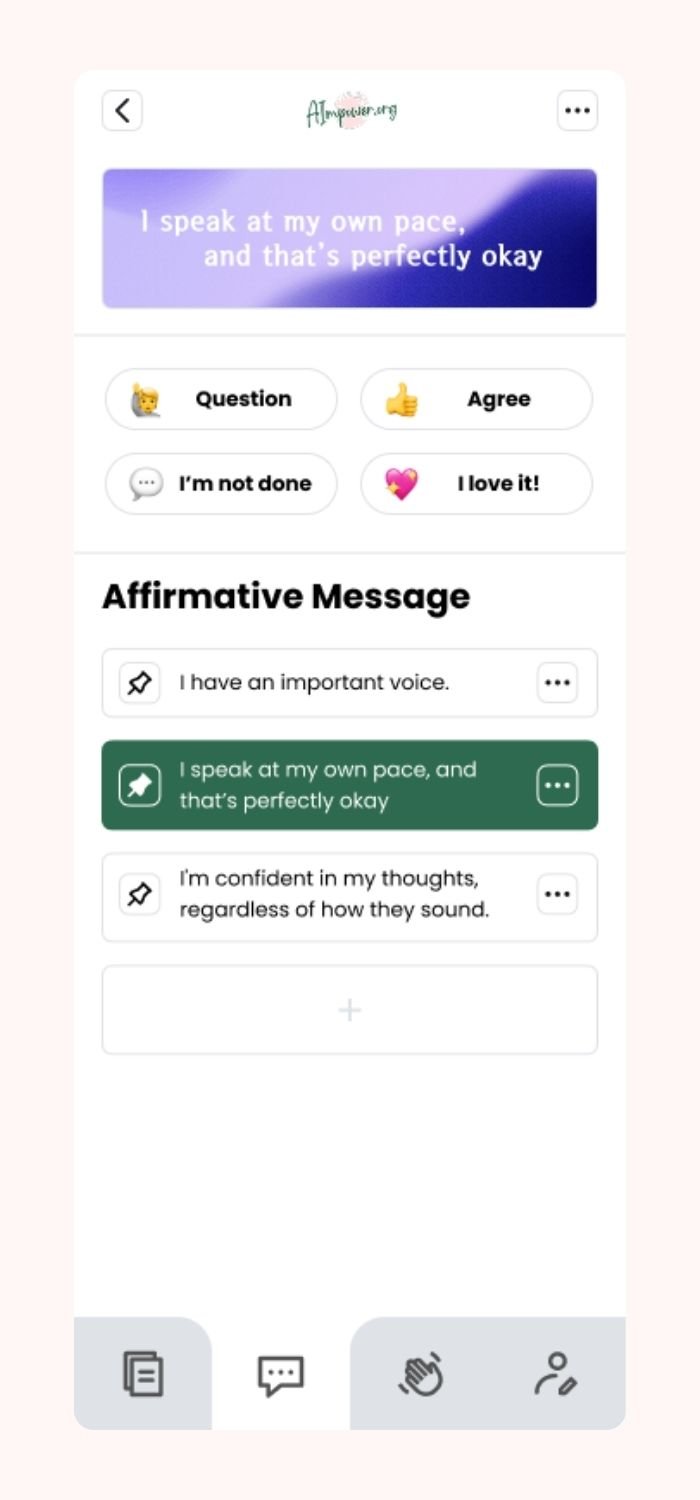
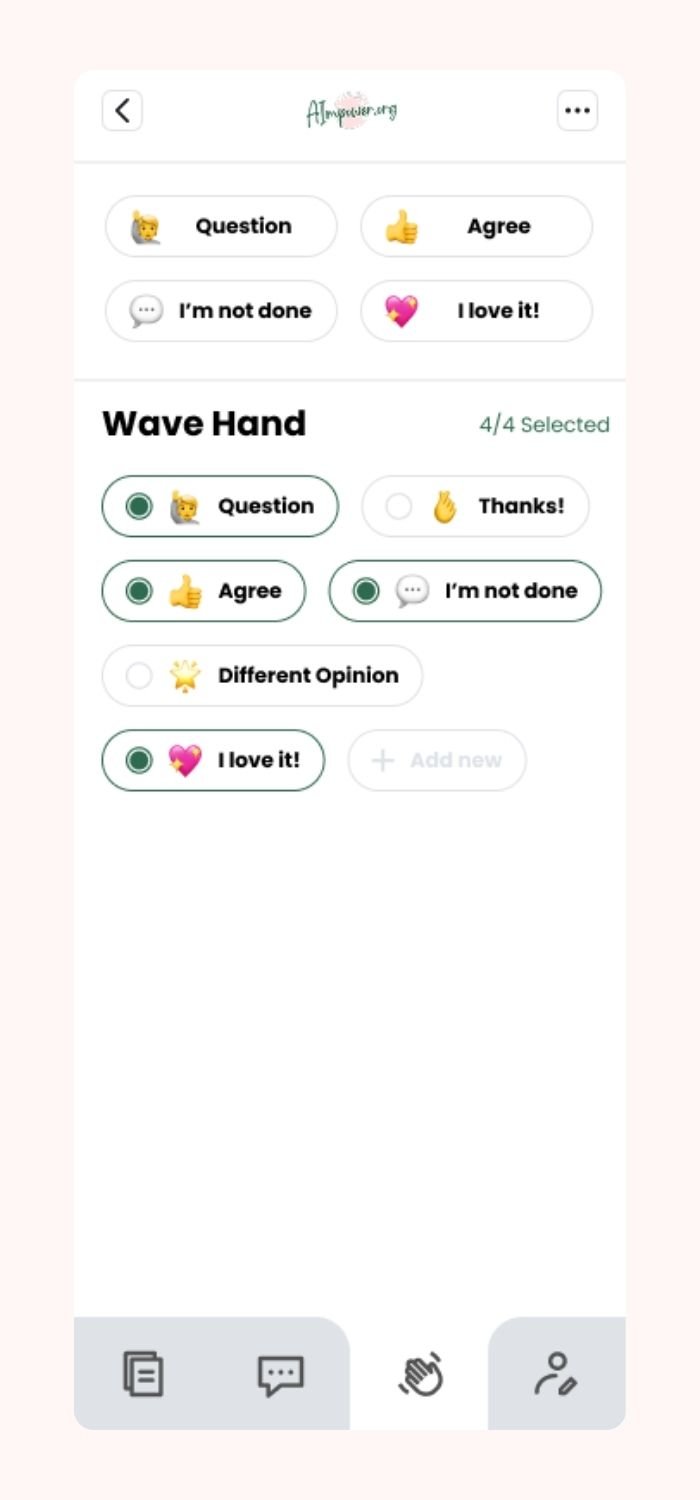
Allowing users to transition between voice-assisted ordering and a simplified visual tablet interface depending on comfort level.
Scalable Pilot Framework
A structured deployment plan for community centers to adopt and manage local delivery programs with minimal overhead.